
Fever, also known as pyrexia, is any body temperature that is elevated above the normal temperature of 98.6 degrees Fahrenheit. Body temperature fluctuates throughout the day, and can elevate due to normal everyday activities, such as exercise. However, an elevated temperature of 100.4 degrees Fahrenheit or higher is considered medically significant, and is usually due to an underlying medical condition.
How to Diagnose a Fever
If the body temperature is higher than the normal temperature of 98.6F, and cannot be explained by activity level, a fever is present. Diagnosing this is a simple matter of taking one’s temperature with a thermometer. Sometimes, depending on signs and symptoms accompanying the fever, a physical exam or other tests will be ran in order to determine if the cause of the fever is infection or something else. Once a determination of the underlying medical condition has been made, other tests (such as a blood test) may be required to confirm the diagnosis.
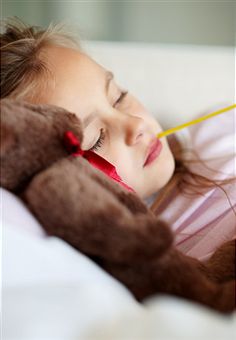
How to Determine Body Temperature
A thermometer is used to measure body temperature. The three most common methods are rectal; oral; tympanic (in the ear); and axillary (under the armpit). Rectal is most often used with infants and is the most accurate method. Oral is the next most accurate method, and is also the most widely used in children above the age of 4, and adults. The tympanic method requires a digital thermometer, and is often used in children over the age of 3. Axillary is the least accurate method.
Taking Temperatures
Rectal Method (infants)
- Use small amount of lubricant on end of rectal thermometer
- Place infant on belly and carefully separate buttocks cheeks
- Carefully insult the thermometer ½ – 1 inch into the infant’s rectum
- Keep hand cupped loosely on infant’s bottom and keep fingers on the thermometer so the thermometer and baby are still
- Wait for the thermometer to beep, or wait for three minutes if not using a digital thermometer
Oral Method
- Clean the tip of the thermometer with soap and warm water or rubbing alcohol. Rinse with cool water
- Put tip under tongue
- Close lips gently around thermometer
- Keep thermometer under tongue until thermometer beeps, or for three minutes if not using a digital thermometer
Tympanic Method
- Put a new, throw-away cover over the tip of the thermometer
- Keep head still
- For child, gently pull child’s ear straight back; for adult, gently pull ear up and then back
- Put covered thermometer tip into the ear opening. DO NOT push hard.
- Press the button to turn on the thermometer and hold the button until the thermometer beeps (or follow manufacturer instructions)
- Remove thermometer from the ear opening
Axillary Method
- Place thermometer in the armpit with arms crossed over chest
- Wait for the beep, or wait four to five minutes if not using a digital thermometer
Causes of Fever
Our body temperature is set by the hypothalamus, which is an area in the brain that acts as a thermostat for our bodies. The thermoregulatory set point is determined by balancing the heat produced by body tissues such as the liver and muscles, and the heat lost by the body.
Fever? Get Remedies Fast!
The thermoregulatory set point is increased in response to threats, such as bacterial or viral infections, resulting in a higher body temperature as the body directs blood away from the skin to decrease heat loss. When the fever occurs, there are feelings of chilliness, stiffness and shivering caused by the body generating heat until the blood around the hypothalamus reaches the new, elevated set point. When the body temperature then begins to return to normal, there is often sweating as the body attempts to get rid of the excess heat.
The most common cause of a fever is infections, such as the flu or a cold. However, other possibilities include
- inflammatory conditions such as rheumatoid arthritis
- extreme sunburn
- heat exhaustion
- surgery
- heart attack
- hemorrhage
- hyperthyroidism
- lupus
- inflammatory bowel disease
- malignant tumor or some form of kidney cancer
- side effect of some immunizations
- side effect of some medications
Symptoms of Fever
- dehydration
- general weakness
- headache
- inability to concentrate
- loss of appetite
- muscle aches
- sweating
- trembling, shivering
High fevers between 103F and 106F may cause
- confusion
- convulsions
- hallucinations
- irritability
Febrile Seizures
Children under the age of 5 can experience fever induced seizures, otherwise known as febrile seizures. A febrile seizure occurs when a child’s temperature rises or falls quickly. The signs of a febrile seizure include convulsions and a brief loss of consciousness.
Febrile seizures occur in approximately 3% of children between the ages of 18 months and 3 years. Of those children, 1/3 will have another seizure with febrile episode. These seizures do not generally cause long term side effects or damage to the nervous system
When to Seek Medical Attention
Low fevers are generally not cause for alarm. In fact, if the fever does not cause discomfort and there are no troubling symptoms accompanying a low fever, it should go untreated to allow the body’s natural defenses to combat the underlying illness. However, there are times when medical attention is necessary.
Medical attention should be sought when
- temperature is 104F or higher (seek IMMEDIATE medical attention! A temperature this high can lead to delirium and convulsions)
- a child under 3 months of age has a temperature of 101F or higher
- infant refuses to eat or drink
- fever in infant is accompanied by unexplained irritability, or unusual crying during a diaper change or when moved
- fever in infant is accompanied by lethargy and unresponsiveness
- fever in a child occurs after being left in a hot car
- there is a history of cancer, HIV, AIDS, heart disease, diabetes, or other serious illness
- other symptoms suggest major illness
- fever is sustained for more than 3 days
Risk Factors
As fevers are usually signs of an underlying medical condition, the risk factors for a fever go hand in hand with the risk factors for the underlying medical condition. Exposure to illness, family history of more serious ailments causing fever, and a weakened immune system are all risk factors for contracting a illness, and thus for experiencing a fever. The exact factors putting individuals at risk for developing a fever depend greatly on the cause of the underlying medical condition that causes the fever.
How to Prevent a Fever
In order to prevent a fever, exposure to underlying medical conditions must be reduced. The most effective way to reduce exposure to the underlying medical conditions causing fever is to wash hands frequently, particularly before eating, after using the restroom, after exposure to a crowd or someone who is sick, and after petting animals.

Developing good hand washing practices is imperative to prevention, and should be taught to children as soon as possible.
Avoiding touching the “T-zone” of your face—eyes, nose, mouth—helps to prevent fever by reducing the spreading of viral infections.
In addition to hand washing and avoiding touching the “T-zone” of your face, covering your mouth when coughing and nose when sneezing helps to prevent the transmission of infection, and thus prevents fever.
Three rules to prevention
- Wash hands frequently
- Cover your cough and sneeze
- Avoid the “T-zone”
Treatment
High-grade temperatures, as opposed to low-grade, may be treated to lower their severity. The treatment for fever depends greatly on the underlying medical condition causing the fever. If the underlying medical condition is a bacterial infection, prescription medications such as antibiotics will be prescribed.
However, antibiotics are ineffective against viral infections. For any underlying illness causing the fever that cannot be treated with prescription medications, over-the-counter medications or home remedies may be used. It is important to note that these over-the-counter medications and home remedies do not cure the fever or the underlying medical ailment. Rather, these treatments alleviate the symptoms of the fever.
Over-the-counter medications
Over-the-counter medications used to treat a fever include acetaminophen (Tylenol), ibuprofen (Advil or Motrin), and aspirin. These help to lower a high fever, but will not cure it. Acetaminophen should not be used if the person with a fever has liver disease. Adults may take 2 extra strength tablets (totaling 1000 mg) every 4-6 hours.
Children should seek medical advice. Ibuprofen is safe for children over 6 months in age, though medical advice should be sought regarding proper dosage. Adults may take 2-3 200mg tablets every six hours. Aspirin should NOT be used with children or adolescents, due to concerns with a serious illness called Reyes Syndrome. Aspirin is, however, safe for adults.
Home Remedies
There are various home remedies that, while they will not cure the underlying illness, will help the fever run its course, and make a person suffering from a fever feel better
- Stay hydrated. Drink water, juice, or broth. Fever causes fluid loss and dehydration so it is important to keep sipping something in order to keep the body hydrated.
- Rest. Activity can raise body temperature, so plenty of rest is recommended to help body temperature return to normal
- Soak in lukewarm water. Tepid water (85F) baths may help bring temperature down. Soak for 5-10 minutes for a cooling effect. Do not use alcohol, and if the bath causes shivering, stop the bath. Shivering raises the body’s temperature, so will have an opposite effect on the fever.
- Herbal Tea. Various recipes of tea are available that claim to aid in the reduction of a fever. These include Basil Leaf Tea drank 3-4 times per day during the fever; tea with ½ teaspoon cinnamon powder, 2 cardamoms, and 2 teaspoons ginger boiled well; 2-3 teaspoons dry roasted fenugreek seed powder boiled and strained with a drop of butter added; and 10 grams raisins and ginger boiled in 200 ml water until it is reduced to 50 ml, with the water then strained and drank.
- Herbs. Various herbs, independent of the herbal tea, are thought to be good treatments for fever. 7-8 tulsi leaves (basil) and 3-4 peppercorns chewed together is supposed to help a fever, as is a teaspoon of honey with 2-3 drops of ginger juice.
While high-grade fevers may be treated to alleviate the symptoms of the fever, low-grade fevers should not be treated with either over-the-counter medications or home remedies. Treating low-grade fevers may extend the length of the illness and interfere with the body’s immune response. In these cases, allowing the body to combat the illness is the best option.
While fevers are the body’s natural defense against illness, it is important to remember that sometimes our body needs a little help. Don’t put off seeking medical attention if the fever is accompanied by worrisome symptoms, if the fever is exceptionally high, or if the fever does not decrease after taking medication.

No Comments